
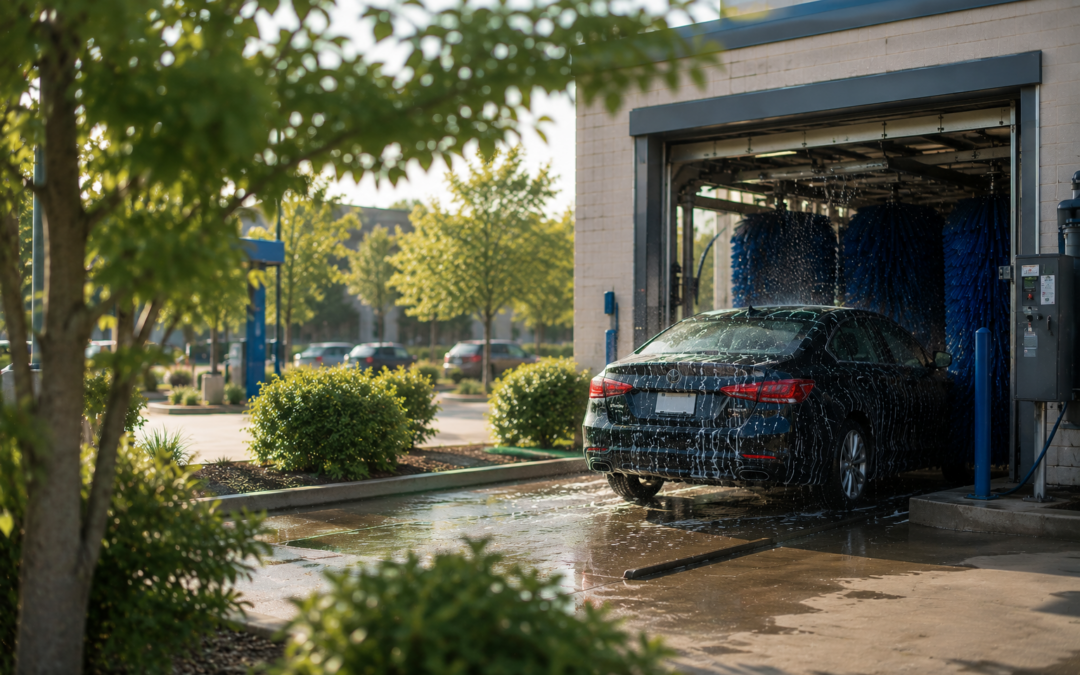
Understanding Environmental Compliance in Car Wash Real Estate
Environmental regulations have become an increasingly important factor in the valuation, development, and transaction of specialized commercial real estate. Within the car wash sector, environmental compliance is no longer viewed solely as an operational responsibility—it is a material real estate consideration that can influence permitting timelines, development feasibility, transaction risk, and long-term asset performance.
As municipalities continue to prioritize water conservation, stormwater management, and environmental stewardship, investors and operators must evaluate environmental compliance as a core component of site selection and asset management strategies.
1. Environmental Compliance as a Real Estate Risk Factor
In the car wash industry, environmental compliance directly impacts the viability and value of a property. Regulatory requirements often extend beyond building codes and zoning approvals to include water discharge permits, stormwater controls, wastewater management systems, and environmental reporting obligations.
For buyers and investors, these requirements create a layer of due diligence that can materially affect acquisition decisions. A property with unresolved environmental issues may face delayed approvals, increased capital expenditures, or operational restrictions after closing.
From a real estate perspective, environmental compliance should be evaluated with the same level of scrutiny as traffic counts, demographic trends, and site access characteristics.
2. Water Management Requirements Continue to Influence Development
Water use remains one of the most closely regulated aspects of car wash operations. Many local jurisdictions have implemented stricter standards related to water reclamation systems, discharge quality, and conservation requirements.
For developers, these regulations can influence site design, equipment selection, and project economics. In some markets, advanced water recycling infrastructure is effectively a prerequisite for obtaining development approvals.
The implications extend beyond construction. Properties that can demonstrate efficient water management practices may be better positioned to navigate future regulatory changes and maintain operational continuity.
As environmental standards evolve, sites designed with long-term compliance in mind are likely to experience fewer disruptions and lower retrofit costs.
3. Permitting Complexity Is Increasing Across Many Markets
One of the most significant challenges facing new car wash development is the growing complexity of the permitting process.
Municipalities are increasingly evaluating projects through environmental review frameworks that consider water consumption, stormwater runoff, wastewater treatment capacity, and community impact. These reviews can extend approval timelines and introduce additional conditions before permits are issued.
Investors evaluating development opportunities should recognize that permitting risk has become an important component of project underwriting. Sites with favorable zoning may still face environmental hurdles that affect timing and overall project feasibility.
At Miracle LLC, environmental review timelines are increasingly becoming a key differentiator between markets with strong development potential and those where regulatory barriers may limit new supply.
4. Environmental Due Diligence Is Critical During Transactions
Environmental compliance plays an important role during acquisitions, dispositions, and financing events.
Buyers routinely assess environmental conditions through property inspections, engineering reviews, and environmental site assessments. These evaluations help identify potential liabilities associated with wastewater systems, underground infrastructure, historical site uses, or regulatory violations.
For sellers, maintaining documented compliance records can improve transaction efficiency and reduce uncertainty during due diligence.
Lenders are also paying closer attention to environmental risk profiles, particularly for specialized commercial assets. Properties with clear compliance histories and well-maintained environmental systems often present fewer underwriting concerns than assets with unresolved regulatory issues.
As transaction volumes increase within the sector, environmental due diligence is becoming a standard component of institutional-quality investment analysis.
5. Compliance Can Influence Long-Term Asset Value
Environmental compliance should not be viewed exclusively as a cost center. In many cases, it functions as a long-term value driver.
Assets designed to meet current and anticipated regulatory standards may experience stronger operational resilience, reduced capital expenditure requirements, and improved attractiveness to future buyers.
Investors increasingly evaluate properties through a risk-adjusted lens. Sites that demonstrate sustainable water management practices and regulatory readiness may be viewed more favorably than comparable properties requiring future environmental upgrades.
This trend aligns with broader commercial real estate investment patterns, where environmental performance and operational efficiency are becoming increasingly connected to asset quality and liquidity.
6. Regulatory Trends Will Continue Shaping the Sector
Several macro-level trends suggest environmental oversight will remain a defining factor in car wash real estate.
Population growth, infrastructure constraints, and water resource management initiatives are driving municipalities to adopt more comprehensive environmental policies. At the same time, investors are placing greater emphasis on risk management and long-term asset sustainability.
The result is a market environment where environmental compliance is becoming integrated into virtually every stage of the investment lifecycle—from site acquisition and development through operation and disposition.
Owners, operators, and investors who proactively monitor regulatory developments will likely be better positioned to protect asset value and capitalize on future opportunities.
Environmental Compliance as a Long-Term Value Driver
Environmental compliance has evolved into a strategic consideration within car wash real estate. Regulatory requirements related to water management, permitting, wastewater systems, and environmental oversight increasingly influence development feasibility, transaction outcomes, and long-term asset performance.
As the sector continues to mature, market participants should view environmental compliance not simply as an operational obligation, but as a critical component of real estate risk management and value creation. Understanding how these requirements affect local markets can provide a meaningful advantage when evaluating investments, development opportunities, and acquisition strategies.
Miracle LLC advises owners, operators, developers, and investors on the real estate fundamentals that drive value within the car wash sector. For guidance on environmental compliance considerations, site evaluation, development risk, or transaction strategy, contact Miracle LLC to discuss current market conditions and asset-specific opportunities.
Sources
U.S. Census Bureau – Population Data
https://www.census.gov/topics/population.html
Federal Reserve Economic Data (FRED)
PwC / Urban Land Institute – Emerging Trends in Real Estate
https://urbanland.uli.org/issues-trends/emerging-trends-in-real-estate
NAIOP Research Foundation
https://www.naiop.org/research-and-publications/research-reports
IBISWorld